
Fish Farming Training Program
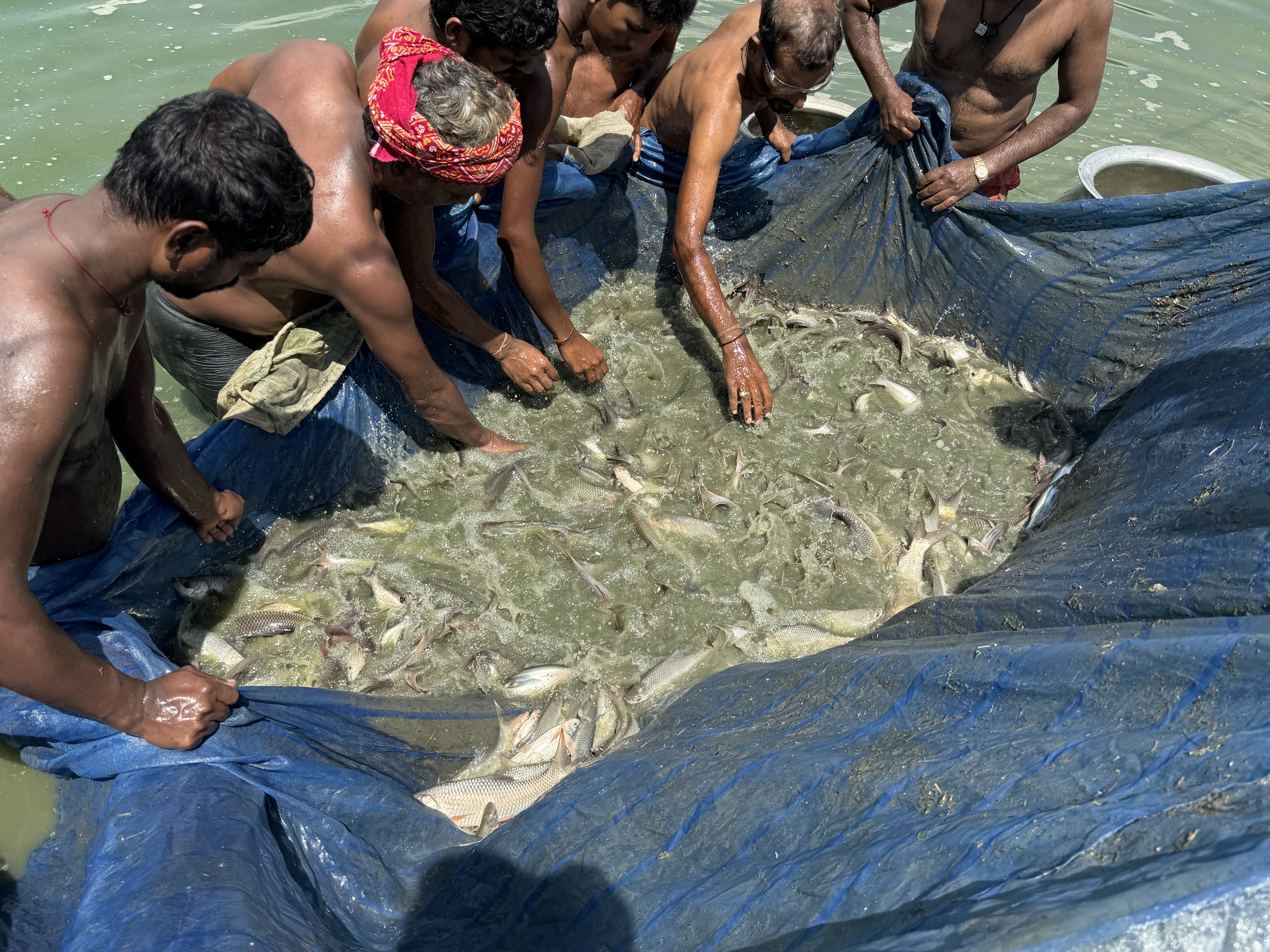
The program began with the fundamentals of pond selection and preparation. Participants were guided on proper pond construction, water management, and maintaining optimal conditions for healthy fish growth. Demonstrations included essential practices such as pond cleaning, maintaining appropriate water levels, and ensuring good water quality—key factors that directly influence fish survival and productivity.
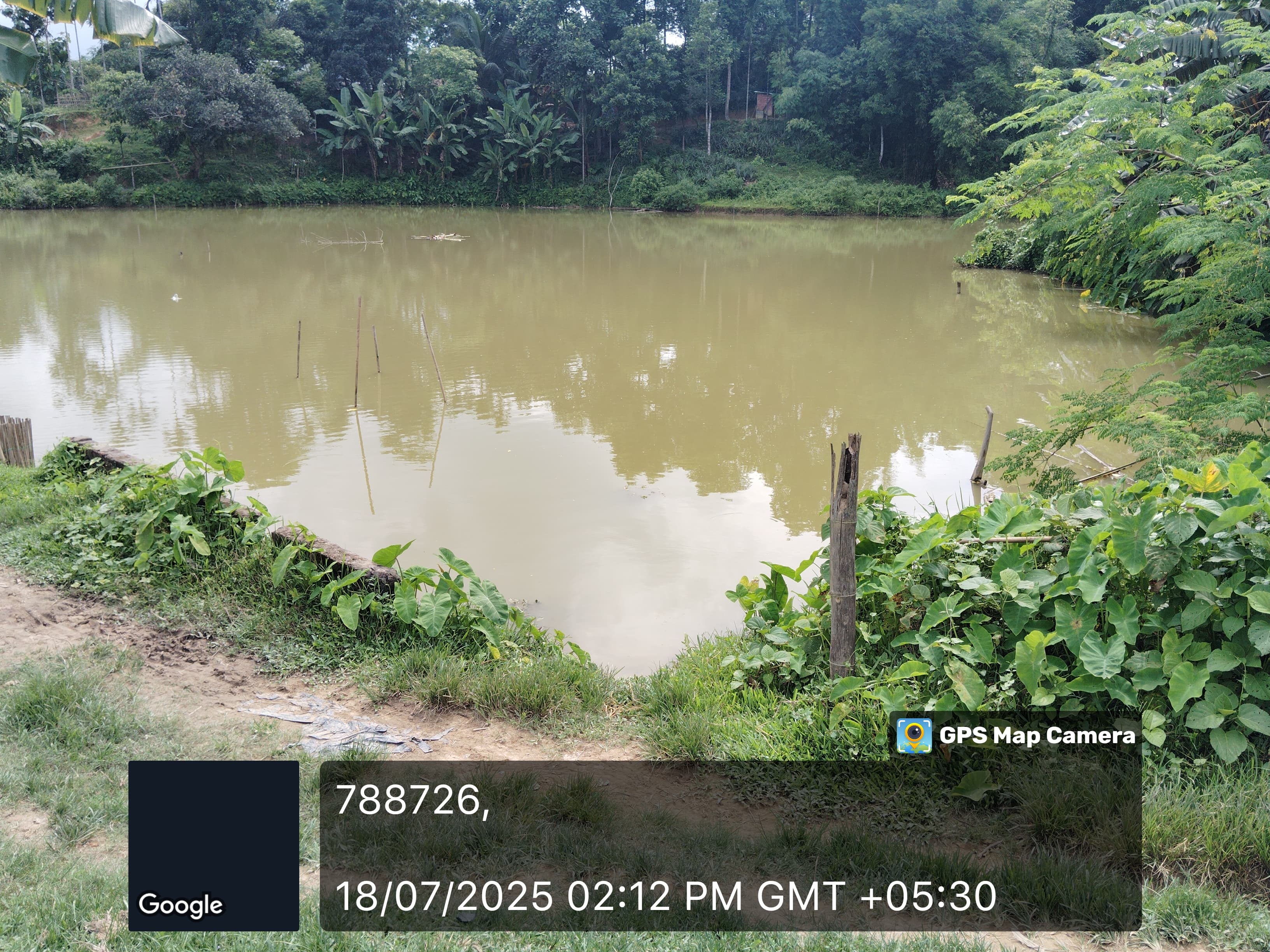
A major focus of the training was on seed quality and feeding practices. Participants learned how to select healthy, disease-free fingerlings and were introduced to effective feeding schedules and suitable feed types. These practices are crucial for improving growth rates, minimizing losses, and optimizing production costs, ultimately enhancing farmers’ income.
Water quality management and disease prevention were also key components of the session. Farmers were trained to monitor critical parameters such as dissolved oxygen, temperature, and pH levels, along with identifying early signs of disease. Practical, easy-to-implement preventive measures were shared to help farmers maintain healthy fish stocks.
What truly set this program apart was its interactive approach. Participants actively engaged in discussions, asked questions, and shared their own experiences, creating a dynamic learning environment. This exchange of knowledge not only strengthened understanding but also built confidence among farmers to apply these techniques on their farms.
Such initiatives go beyond skill development—they empower communities. By adopting improved fish farming practices, farmers can increase productivity, enhance nutrition, and generate better income, contributing to sustainable rural development.
We are proud to support our farming community and look forward to seeing these newly acquired skills transform local aquaculture practices. With continued training and guidance, we believe more farmers will embrace modern fish farming methods, paving the way for a more prosperous and sustainable future.

Leave A Comment